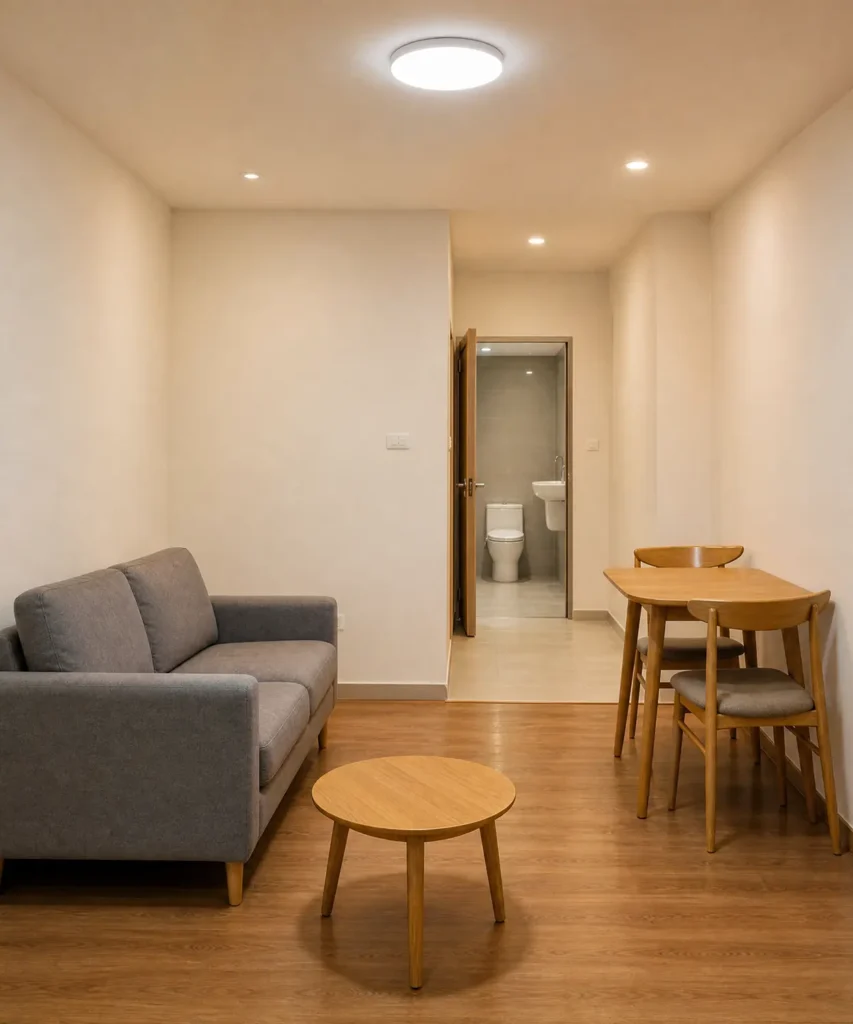
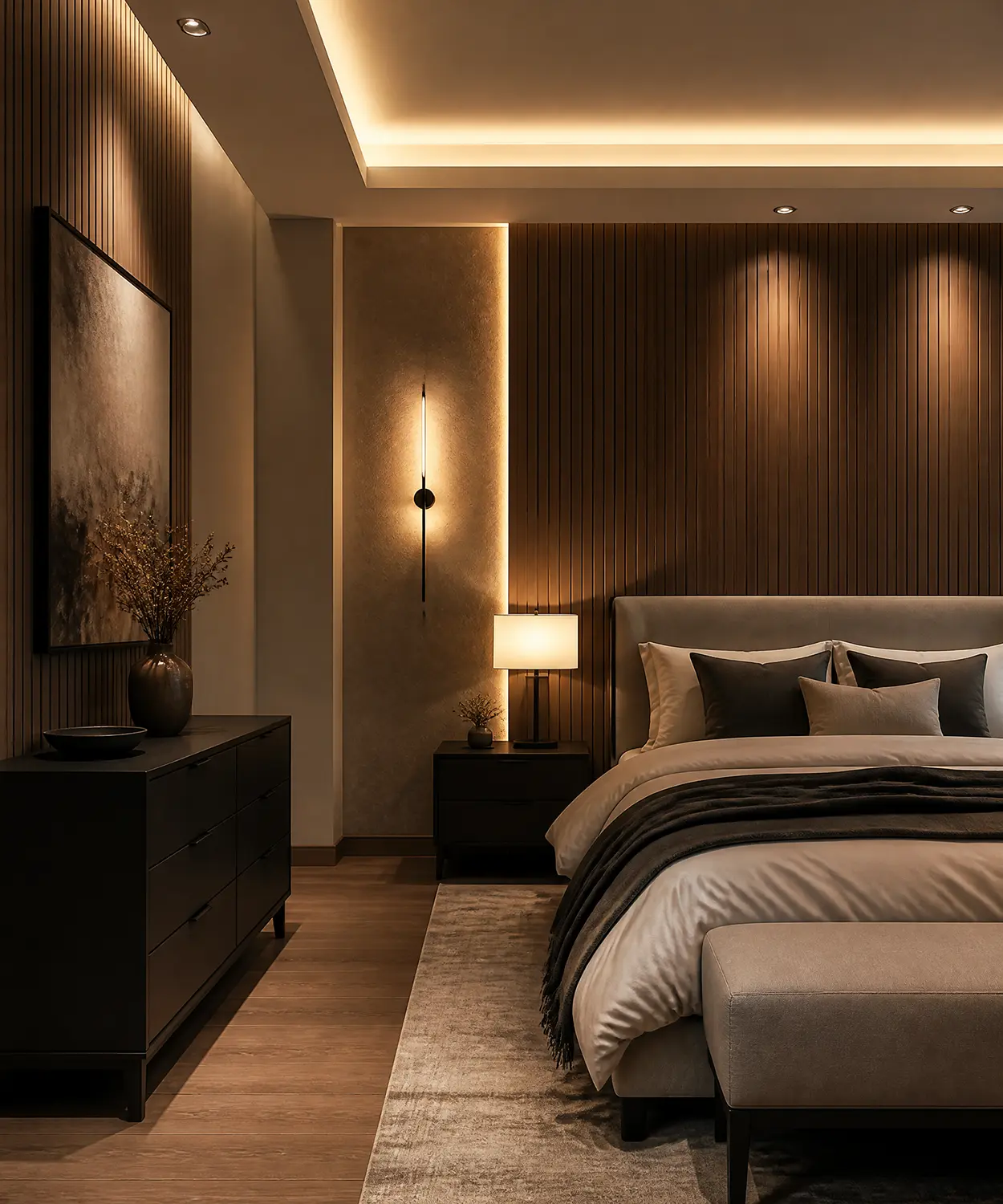
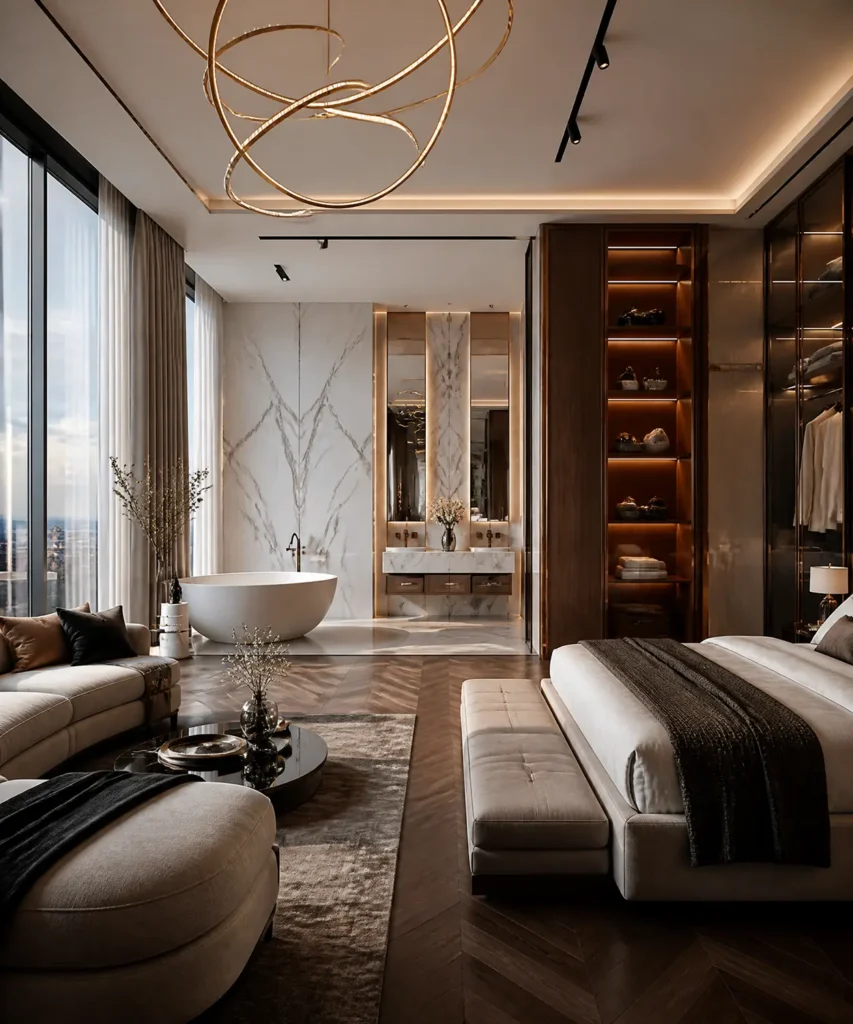
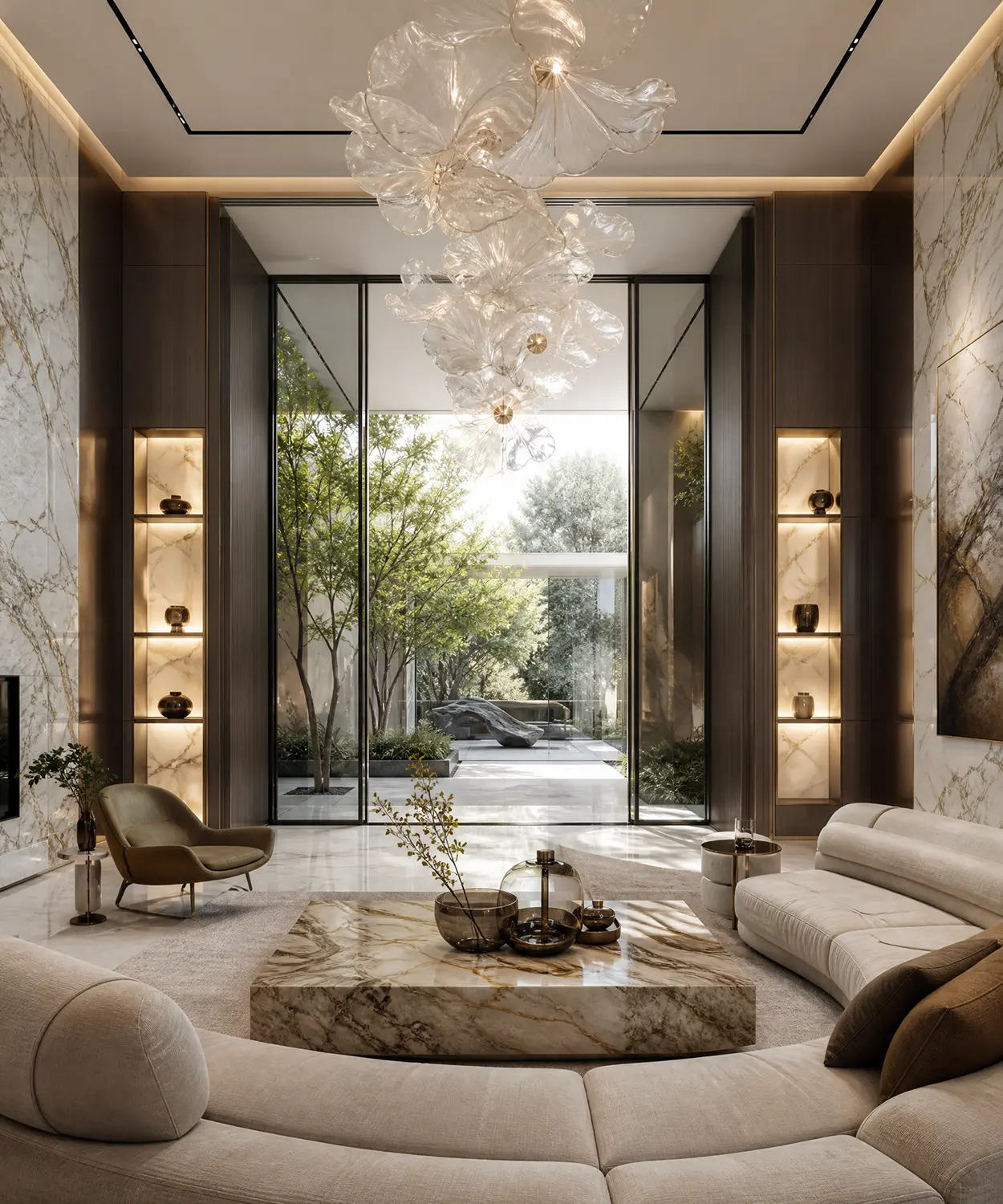
Wood look floor tiles have been on the market for decades,and their staying power has always invited a fair question:has the look run its course?The short answer is no—but the longer answer is more useful.What separates a wood look floor tile that still feels current from one that immediately dates a room comes down to how closely it follows real wood rather than how loudly it imitates it.
The“dated”label misses what designers are actually saying
When designers flag wood-look tile as a risk,they are rarely talking about the material itself.The distinction that matters is between tile that convincingly reproduces natural timber and tile that treats wood grain as a starting point for something far more stylized.A simple oak or walnut grain can sit comfortably alongside a wide range of interiors because it is not relying on a gimmick;it is reproducing a material people have lived with for generations.
What dates quickly are the heavily manipulated versions:unusually saturated colors,dramatic plank-to-plank variation,distressed effects pushed to an extreme,or wood grains mixed with stone and marble visuals.Those floors make a strong design statement,and strong design statements tend to tell you exactly when a room was renovated.The problem is not wood look floor tiles as a category.The problem is treating the floor as the loudest element in the room instead of the background that holds everything else together.
The 2026 shift:warm,matte,and quieter
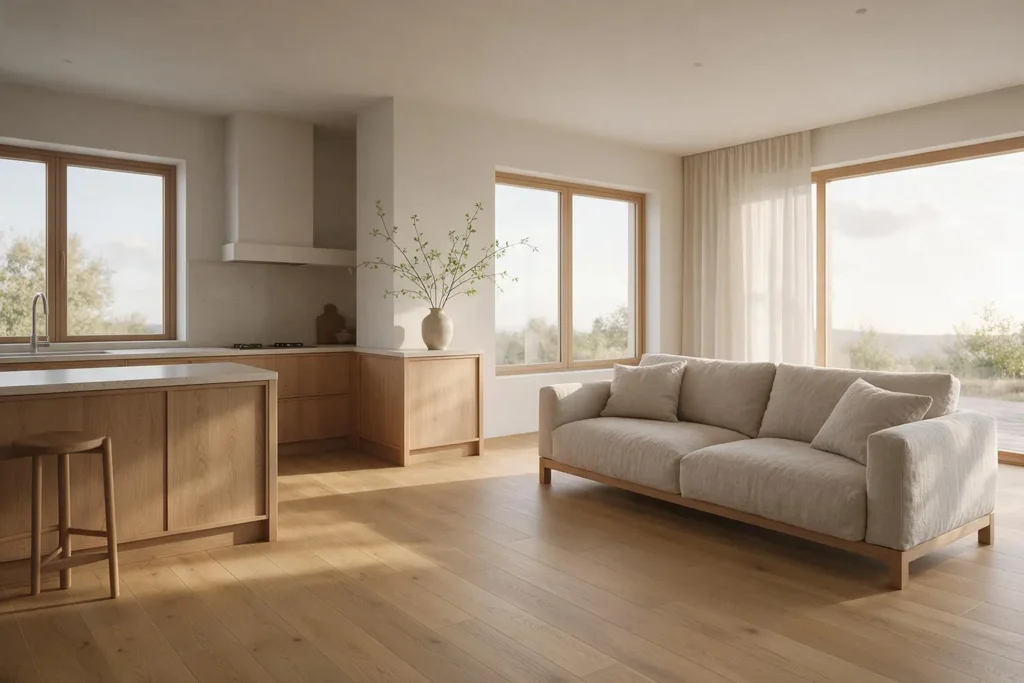
The direction of travel in 2026 actually favors the more restrained end of the wood-look spectrum.After a decade dominated by cool gray tones and uniform finishes,designers and homeowners are moving back toward warmer,natural wood aesthetics—oak and walnut visuals,organic textures,and matte surfaces over high-gloss or flat prints.Honey-toned oaks in matt finishes are being cited as a way to bring comfort and cosiness into a space,while the most versatile choices lean toward mid-tone shades with a gentle grain rather than dramatic contrast.
This is not a niche preference.It reflects a broader correction away from the gray-and-white uniformity that defined the previous decade of interiors.Wood look floor tiles that follow real timber’s quieter qualities—subtle tonal movement,understated grain,a soft rather than glossy surface—are aligned with where residential design is heading,not where it has been.
Technology has closed the realism gap
The version of wood look floor tiles that earned a bad reputation years ago often looked flat and repetitive in person.That gap has narrowed considerably.Digital inkjet printing now reproduces dozens of distinct faces within a single collection,so the eye notices repetition far less—and repetition is the first giveaway of a fake.Manufacturers are also moving beyond printed visuals into synchronized texture:MSI’s TileTouch technology pairs high-definition printing with a surface that follows the grain,so the tile feels as close to real hardwood as the category has reached.Other recent systems combine slip resistance with a softer underfoot feel,or use custom glazes to create subtle depressions along the grain that mimic sanded timber.
The practical takeaway for anyone specifying wood look floor tiles is straightforward:the realism now depends far more on the quality of the specific collection than on the category as a whole.A well-made porcelain plank with synchronized texture and a matte finish reads very differently from an older,high-gloss,heavily printed tile.
Which wood looks hold up—and which to approach carefully
The wood look floor tiles least likely to feel dated are the ones that stay close to species people already know.Oak and walnut dominate current flooring preferences,and neutral,natural-looking grains work across styles from Scandinavian to mid-century to contemporary.Light wood tones with minimal color variation and understated grain have been singled out by designers as a particularly durable direction.On the more expressive end,formats such as herringbone and Versailles-pattern wood-look tiles are having a visible moment,but they work best when the pattern itself is the statement and the color palette stays restrained rather than competing with it.
The versions that carry more risk are the ones that chase a very specific mood—heavily distressed,unusually colored,or highly varied from plank to plank.On a single sample board,that variation can look interesting.Across a whole floor,it becomes busy,and it locks the room into a particular moment.
The performance case remains strong—with honest trade-offs
The reason wood look floor tiles keep being specified is not only aesthetic.Porcelain wood-look tile is effectively impervious to water,resistant to scratches and everyday wear,and suitable for kitchens,bathrooms,mudrooms,and other areas where solid hardwood would struggle.It does not require sanding or refinishing,and it does not carry the same sensitivity to moisture and temperature swings that real wood does.
The trade-offs are equally real.Wood look floor tiles feel harder and cooler underfoot than timber,and the grout lines require attention.For bedrooms and living spaces where barefoot comfort is the priority,hardwood still has an edge.The most practical approach in many projects is not one floor for the whole house but the right floor for each zone—tile in wet and high-traffic areas,timber or a warmer underfoot material where comfort matters most.
Sourcing wood look floor tiles at project scale
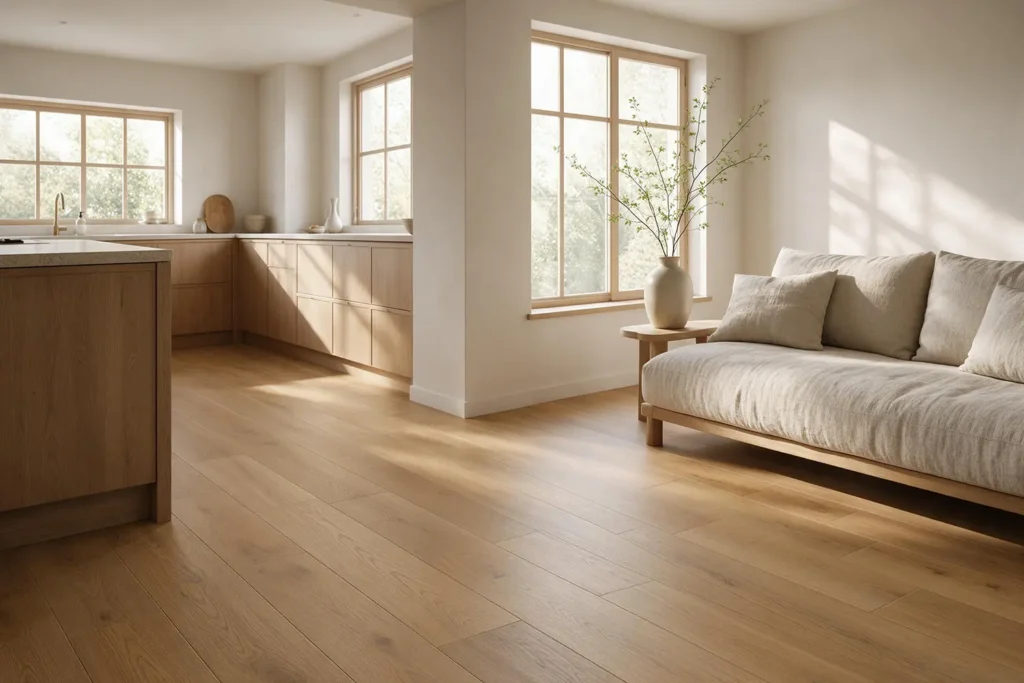
For projects that need wood look floor tiles alongside coordinated doors,windows,cabinets,and other finishes,working with a single accountable supplier reduces the friction of matching specifications across categories.George Group operates as a one-stop building materials manufacturer based in Foshan,with a 130,000 m²factory and a 48,000 m²showroom covering flooring,tiles,kitchen cabinets,wardrobes,doors,windows,sanitary ware,and related product categories.That structure allows project teams to review wood-look flooring options alongside the other finishes that will sit next to them,rather than coordinating separate suppliers for every category.
The company’s role is not to argue that wood look floor tiles suit every room.It is to make the specification process more direct:reviewing realistic wood-look collections,comparing them with other flooring and interior options under one roof,and consolidating selections into a coordinated order.For designers,contractors,and developers weighing whether wood look floor tiles belong in a project,that kind of factory-direct access shortens the distance between the question and a concrete answer.
The bottom line:wood look floor tiles are not dated.The versions that date quickly are the ones that treat wood as a costume rather than a reference.Tiles that follow real timber’s grain,tone,and matte texture—and that are specified with the same restraint you would apply to real wood—remain one of the most practical and visually durable flooring choices available.